The Microbiological Safety of Fresh Produce in Lebanon-A holistic “farm -to-fork chain” assessment approach
Thursday, 08 October 2020
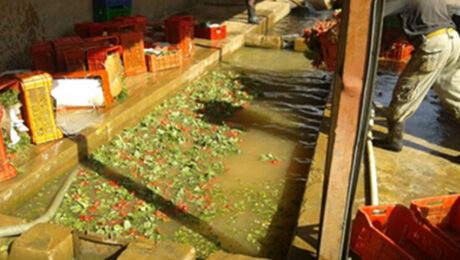
The consumption of unsafe fresh vegetables has been linked to an increasing number of outbreaks of human infections. In Lebanon, although raw vegetables are major constituents of the national cuisine, studies on the safety of fresh produce are scant. This research employed a holistic approach to identify the different stages of the food chain that contribute to the microbiological risks on fresh produce and the spreading of hazards. A thorough analysis of the institutional and regulatory framework and the socio-political environment showed that the safety of local fresh produce in Lebanon is at risk due to largely unregulated practices and shortfalls in supporting the agricultural environment as influenced by the lack of a political commitment. Microbiological analysis showed that the faecal indicator levels ranged from <0.7 to 7 log CFU/g (Escherichia coli), 1.69-8.16 log CFU/g (total coliforms) and followed a significantly increasing trend from fields to the post-harvest washing area. At washing areas, Salmonella was detected on lettuce (6.7% of raw vegetables from post-harvest washing areas). This suggested that post-harvest cross-contamination occurs predominantly in the washing stage. At retails, a combination of observation and self-reported data provided an effective tool in assessing knowledge, attitudes, and practices. It showed that the food safety knowledge and sanitation practices of food handlers were inadequate, even among the better trained in corporate-managed SMEs. Overall, the microbiological quality of fresh-cut salad vegetables in SMEs was unsatisfactory. The link between Staphylococcus aureus and microorganism levels on fresh salads vegetables and the overall inspection scores could not be established. On the other hand, inspection ratings on individual components, e.g., cleanliness and cross-contamination preventive measures showed significant correlation with Listeria spp. levels. Together, results confirmed that inspection ratings don’t necessary reflect the microbiological safety of fresh vegetables and that the application of control points of risk factors that likely to contribute to microbial contamination in the production environment are essential. The washing methods were limited in their effectiveness to reduce the contamination of parsley with Salmonella. In general, the pre-wash chopping and storing of parsley at 30ºC reduced the decontamination effect of all solutions, including sodium dichloroisocyanurate which was reduced by 1.3 log CFU/g on both intact and chopped leaves stored at 30ºC. In such conditions, the transfer rate of Salmonella from one contaminated parsley to subsequently chopped clean batches on the same cutting board(CB) recorded 60%-64%. Furthermore, the transmission of Salmonella persisted via washed CBs stored at 30°C for 24 h. It is recommended to keep parsley leaves unchopped and stored at 5ºC until wash for an optimum decontamination effect and to apply vigilant sanitation of CBs after use with fresh produce. This research presented important data for quantitative risk assessment for Salmonella in parsley and useful descriptive information to inform decision-makers and educators on microbial hazards associated with fresh produce in Lebanon. It also highlighted the risks areas that require urgent interventions to improve food safety. Considering the complex institutional and political challenges in Lebanon, there is an obvious need to direct development programs and support towards local agriculture production, effective education strategies and growing awareness of consumers and stakeholders on food safety related risks.
- Published in Fresh produce
من يعالج الأمراض الناجمة عن تلوث الليطاني والمزروعات؟
Thursday, 08 October 2020
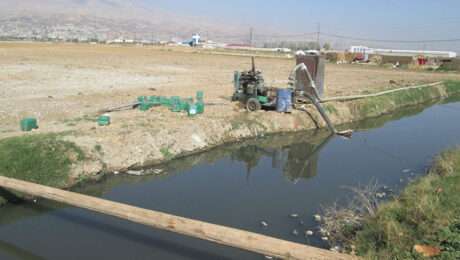
موضوع تلوث مياه نهر الليطاني ليس بالجديد. لطالما تردّد أن الأسباب الرئيسية لتلوّث مياه نهر الليطاني هي غياب النظم الفعّالة لمعالجة مياه الصرف الصحي والنفايات الصناعية السائلة غير المعالجة التي تصبّ كلّها في التربة والمياه وقطع طريق النهر بسد القرعون. وقد تكثّفت الاجتماعات التي كان آخرها أمس للمعالجة، ولكن ما هي المخاطر التي تشكلها تلك الملوثات على الصحة والتي كانت معلومة منذ بداية التسعينيات؟ وما الذي حال دون معالجة الوضع البالغ الخطورة؟ هذه الكارثة البيئية إنما هي بالأحرى شبكة معقدة من مشاكل مزمنة تهدّد الصحة العامة، وتدعو إلى تدخل حكومي طارئ لضمان التشريعات السليمة في ما يتعلق بمخاطر الصحة العامة موضوعي في جريدة الأخبار
- Published in Fresh produce