DFK-Logo
  • Home
  • About Us
  • Skill Up
    • Food Safety & Haccp
      • Accredited IHA HACCP Course
      • Food safety / HACCP level 1-4
      • E-learning Food Safety and HACCP
        • Level 1 Food Safety
        • Level 2 Food Safety in Catering
        • Level 3 Food Safety in Catering
        • Level 2 Principles of HACCP
        • Level 2 Food Safety for Manufacturing
        • Level 3 Food Safety in Manufacturing
    • BRCGS Food Safety Standard
    • US FSMA Courses
      • FSPCA PCQI Course
      • FSPCA IAVA Course
      • FSPCA Food Traceability Rule Course
    • Food Labeling Courses
      • FDA Food Labeling Training course
      • EU Food Labeling Training Course
  • FDA & EU Compliance
    • Food Label Compliance Services
    • Risk Assessment & Management
    • Food Safety Culture
    • Compliance & Regulatory Audit
  • Scientific & Advisory
  • Training Calendar
  • DFK Hub
    • DFK Activities
    • DFK Blog
  • Contact Us
Menu
  • Home
  • About Us
  • Skill Up
    • Food Safety & Haccp
      • Accredited IHA HACCP Course
      • Food safety / HACCP level 1-4
      • E-learning Food Safety and HACCP
        • Level 1 Food Safety
        • Level 2 Food Safety in Catering
        • Level 3 Food Safety in Catering
        • Level 2 Principles of HACCP
        • Level 2 Food Safety for Manufacturing
        • Level 3 Food Safety in Manufacturing
    • BRCGS Food Safety Standard
    • US FSMA Courses
      • FSPCA PCQI Course
      • FSPCA IAVA Course
      • FSPCA Food Traceability Rule Course
    • Food Labeling Courses
      • FDA Food Labeling Training course
      • EU Food Labeling Training Course
  • FDA & EU Compliance
    • Food Label Compliance Services
    • Risk Assessment & Management
    • Food Safety Culture
    • Compliance & Regulatory Audit
  • Scientific & Advisory
  • Training Calendar
  • DFK Hub
    • DFK Activities
    • DFK Blog
  • Contact Us

IAFP 2021 Symposium :Latest Developments in Food Safety Standards for Water Reuse in Food Production and Processing

by Dr Faour Klingbeil / Sunday, 29 August 2021 / Published in

Dr Faour-Klingbeil joined other colleagues in organizing the symposium: “Latest Developments in Food Safety Standards for Water Reuse in Food Production and Processing during the International Association of Food Protection Annual Meeting, Phoenix, Arizona, July 18-21, 2021.

This symposium featured key stakeholder views on the importance of developing standards for context-specific water reuse for food production and processing. During this event, she presented  “Regulating Water Re-Use in Food Processing to Ensure Acceptable Risk to Consumers”:

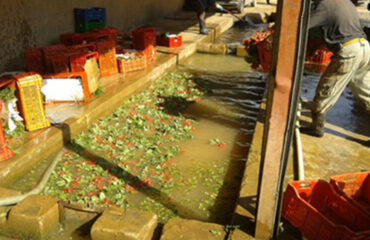
The pressure is on! Water scarcity is a globally rising problem mainly caused by overuse of water, population growth, economic development, urbanization, and changing food consumption patterns. The diminishing availability of water is expected to exacerbate global warming and climate change effects; hence, wastewater reuse is increasingly viewed as an alternative solution to meet the rising demands for water. However, current default water standards for food use are high, with potable water being the gold standard for food use. While the use of reused (for instance recycled) water is becoming more practiced, no international standards have been established, and there are potential food safety hazards (e.g., microbial pathogens and chemical contaminants) associated with used water sources that need to be adequately managed to avoid food safety risks at the consumer phase. The necessary scaling-up of water reuse may be possible given that significant volumes of used water are currently not utilized. However, these sources vary a lot in the possible presence of hazards and other quality parameters. For effective utility, used water from different sources of quality will need to be treated to a quality level that is acceptable and fit for the intended food use purpose, yet safe to consumers. To provide guidance on consumer food safety expectations of water reuse, regulatory or other authoritative standards are urgently required. After all, agriculture/food production, processing, and preparation all use a lot of water but also come with large volumes of used water! Codex Alimentarius, ISO, and country governments have started developing their own standards and establishing them as foundations for regulatory acceptance of fit-for-purpose water approaches by their member countries.

 

What you can read next

When Supplier Controls Matter More Than Your Own CCPs
COVID-19 Preparedness in the Food Industry
من يعالج الأمراض الناجمة عن تلوث الليطاني والمزروعات؟

Leave a Reply Cancel reply

Your email address will not be published. Required fields are marked *

WANT TO KEEP YOURSELF UPDATED ON FSMA ISSUES?

Join my mailing list for receiving free resources and updates on FDA industry guidance and the latest on the US food safety regulatory requirements

Upcoming Events

May 21
FSPCA IA Conducting Vulnerability Assessments (IA VA) – Instructor-Led Online Course
08:30 - 17:30
May 27 - 28
FSPCA Food Traceability Rule – Instructor-Led Online Course
08:30 - 15:30
Online
1 2 … 6
LogoNew-1

DFK for Safe Food Environment is a food safety consulting business that provides scientific, regulatory, and technical services to food businesses.

Read More
Facebook X-twitter Linkedin Rg-icon RG

Our Location

Ottweilerst. 14 A 30559 Hanover, Germany Registered in Hannover, Germany
USt-IdNr.: DE312857816

Contact

dima@dfkfoodsafety.com

  • Privacy Policy

Useful Links

  • Home
  • About Us
  • What We Do
  • Our Expertise & Services
  • Skill Up
  • Consultancy
  • DFK Activities
  • Training Calendar
  • DFK BLOG
  • Contact Us

Affiliates & Partners

fspca
charted
haccp_logo
2025 © DFK for Safe Food Environment. All rights reserved.

Website Designed and Developed by entasiz

Close